
Plants, ponderings, and pathways
This month has been exceptionally hot, and many of our wild spaces have suffered as a result. The prolonged dry weather has had a significant impact on habitats, particularly grasslands, woodlands and wetlands. Water sources have dried up, leaving many birds, mammals, and insects struggling to find drinking water, sometimes with devastating consequences. Although temperatures have started to cool slightly, more hot weather is forecast over the coming weeks, so I encourage anyone who can to leave shallow dishes of water outside in gardens or green spaces.
I firmly believe that nature is usually best left to regulate itself, but during periods of extreme weather we have an opportunity to provide simple intervention that can make a real difference.
–
I wrapped up June by volunteering at Kindling Farm’s Citizen Science Day, which focused on insects as part of Insect Week. We began the morning with Chris White from Butterfly Conservation, examining the moth trap catches from various locations across the farm. My favourites were the Drinker moth, with its striking appearance and caterpillars that are known to drink dew from grasses, and the Buff-tip, whose remarkable camouflage allows it to resemble a broken birch twig.
We then completed a butterfly transect across the farm. I recorded our sightings while Chris carried out the identification. We observed impressive numbers of Meadow Brown and Ringlet butterflies, alongside Small Whites, Red Admirals, and Painted Ladies.
To round off the day, I led a small workshop introducing different methods of species identification and biological recording. We explored field guides, discussed how to use identification keys, and looked at how apps such as iNaturalist can be valuable tools when used alongside traditional methods. We also talked about the importance of recording. Everyone was encouraged to download iNaturalist before joining Tony Parker to put these skills into practice in the farm’s gardens.
–
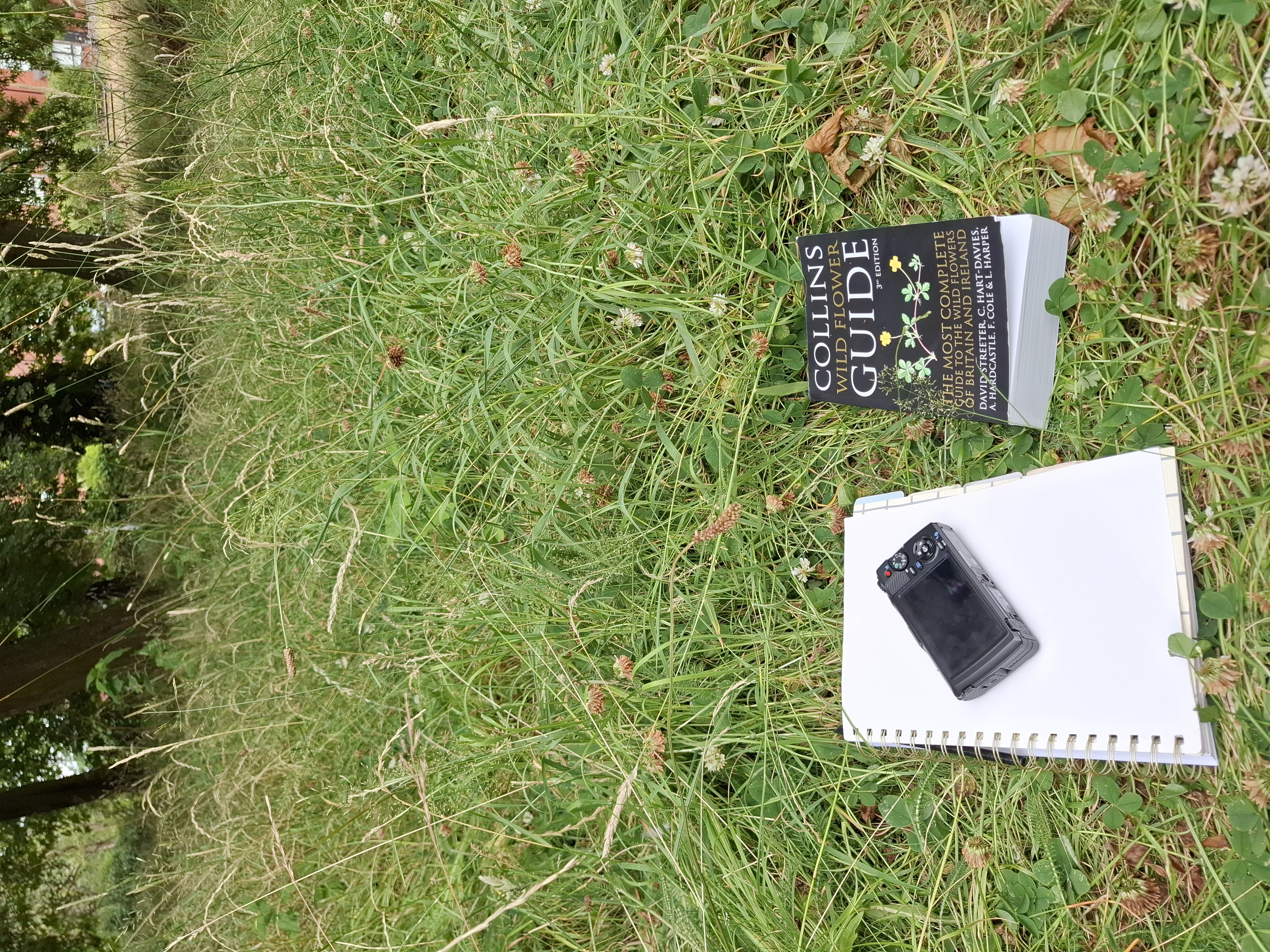
On 10 July, I completed my first FISC (Field Identification Skills Certificate) assessment. Much of the first week of the month was dedicated to preparation: examining grass ligules through a hand lens, anxiously trying to recall key species, and spending countless hours immersed in my Collins Wild Flower Guide. Although I had spent months studying beforehand, the arrival of July suddenly made everything feel very real.
What exactly is a FISC?
A FISC (Field Identification Skills Certificate) is an assessment designed to evaluate your field botanical identification skills. Rather than being a pass-or-fail exam, participants are awarded a level from one to six, with higher levels reflecting increasing botanical knowledge and identification ability.
To be honest, in the months leading up to the assessment I registered for back in March, I was incredibly stressed. Looking back, that pressure was unnecessary. After all, I chose to take the assessment myself, and its purpose is simply to measure your current level of botanical knowledge – it doesn’t define your future. But when I’m passionate about something, I have a habit of throwing myself into it completely and setting very high expectations for myself.
Those worries disappeared as soon as I arrived in Lancaster. I quickly realised everyone was feeling the same way, and it turned out to be a genuinely enjoyable day.
The assessment begins with the first laboratory session: ten widespread, common plant specimens to identify without the use of any guides. I was pleasantly surprised to find species such as Ragwort and Meadowsweet among them.
The second laboratory section consists of twenty specimens and ramps up the challenge considerably. Many of the plants are less familiar, and identification guides are permitted, making it a very different test of your botanical skills.
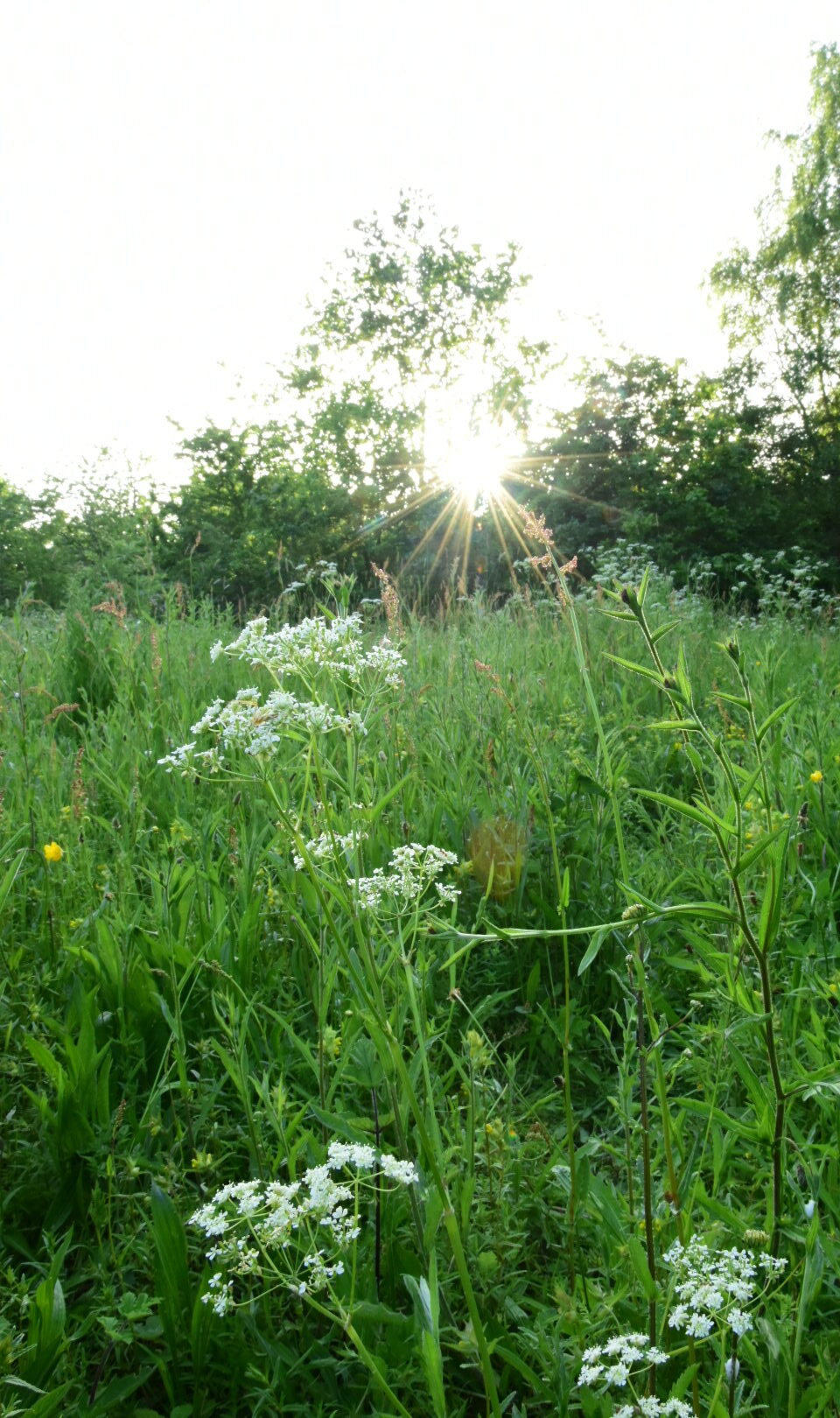
After lunch, the temperature climbed well into the 30s. We headed to the field site for the final component: a botanical survey alongside a gold-standard botanist, with our records assessed against theirs. This proved to be the most challenging part of the day. The habitat was fantastic – a species-rich grassland filled with fascinating and familiar flowering plants – but the intense heat began to take its toll on everyone, so the survey was wrapped up early for safety.
I finished the day feeling incredibly proud of myself for taking the leap. It was a fun, memorable experience that pushed me outside my comfort zone and showed me how much I’d learned over the past year. I left feeling even more motivated to continue improving my botanical skills, and I’d happily take the assessment again.
If you’re considering sitting a FISC yourself, I’d highly recommend giving it a go.
Finally, a huge thank you to Josh Styles for being an outstanding assessor and for organising such a brilliant day.
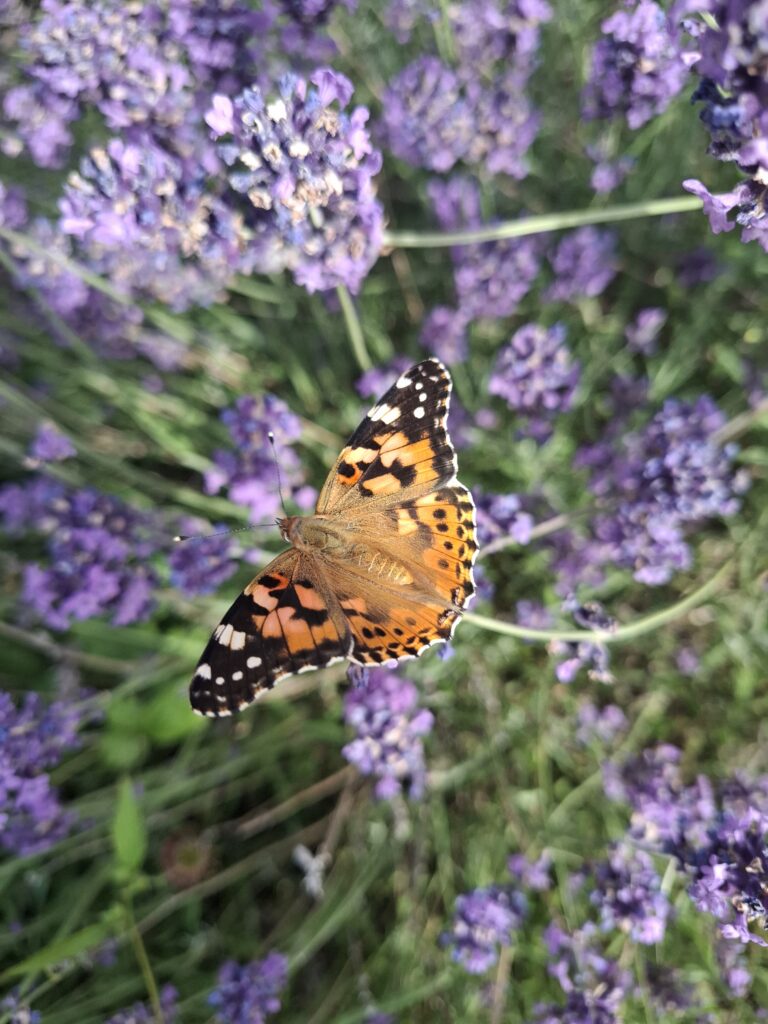
A very fresh specimen! The painted lady is a long distance migratory species. Each year they spread northwards from North Africa. the Middle East, and central Asia, eventually reaching Britain.
Big Butterfly Count
As mentioned in my last month’s blog post, the big butterfly count began on the 18th of July and will be running until the 10th of August.
This is a great nation wide citizen science project which helps track trends and inform conservation efforts across the UK.
It is essentially a giant survey event, which individuals can take part in by choosing a spot in your garden, or any available greenspace, and spend fifteen minutes recording the butterflies or moths that visit.
This is a fun and educational activity that encourages children and young people to get involved, making it enjoyable for adults as well.
Big Butterfly Count follow the link for more information and resources to take part.
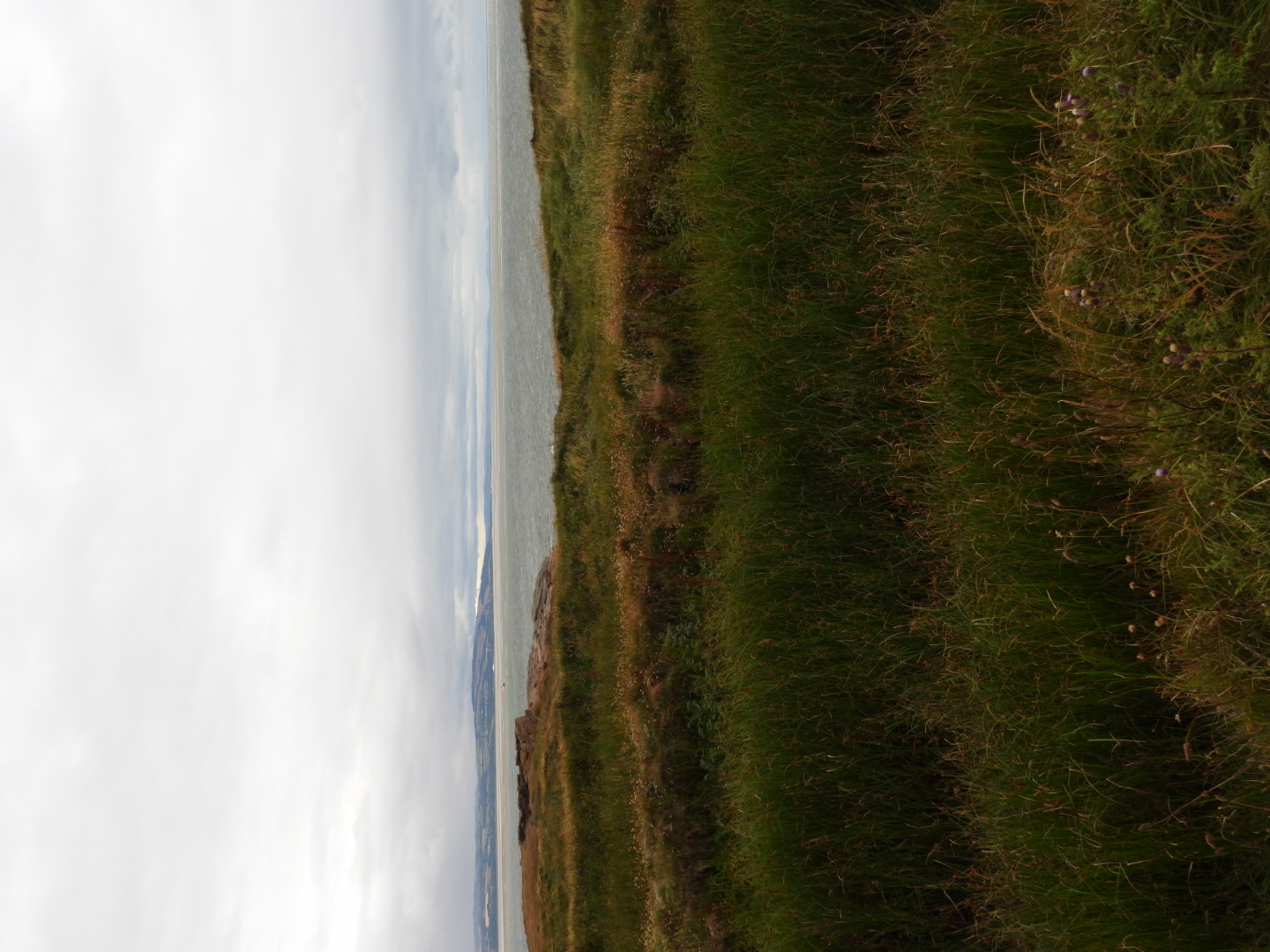
A windy trip to Hilbre Island
On 25 July, I had the pleasure of visiting Hilbre Island with two fantastic fellow naturalists, Dan and Crystal.
This was very much a day out rather than an official field day, but as nature nerds tend to do, we couldn’t resist seeking out the wildlife and geological wonders that this remarkable island has to offer.
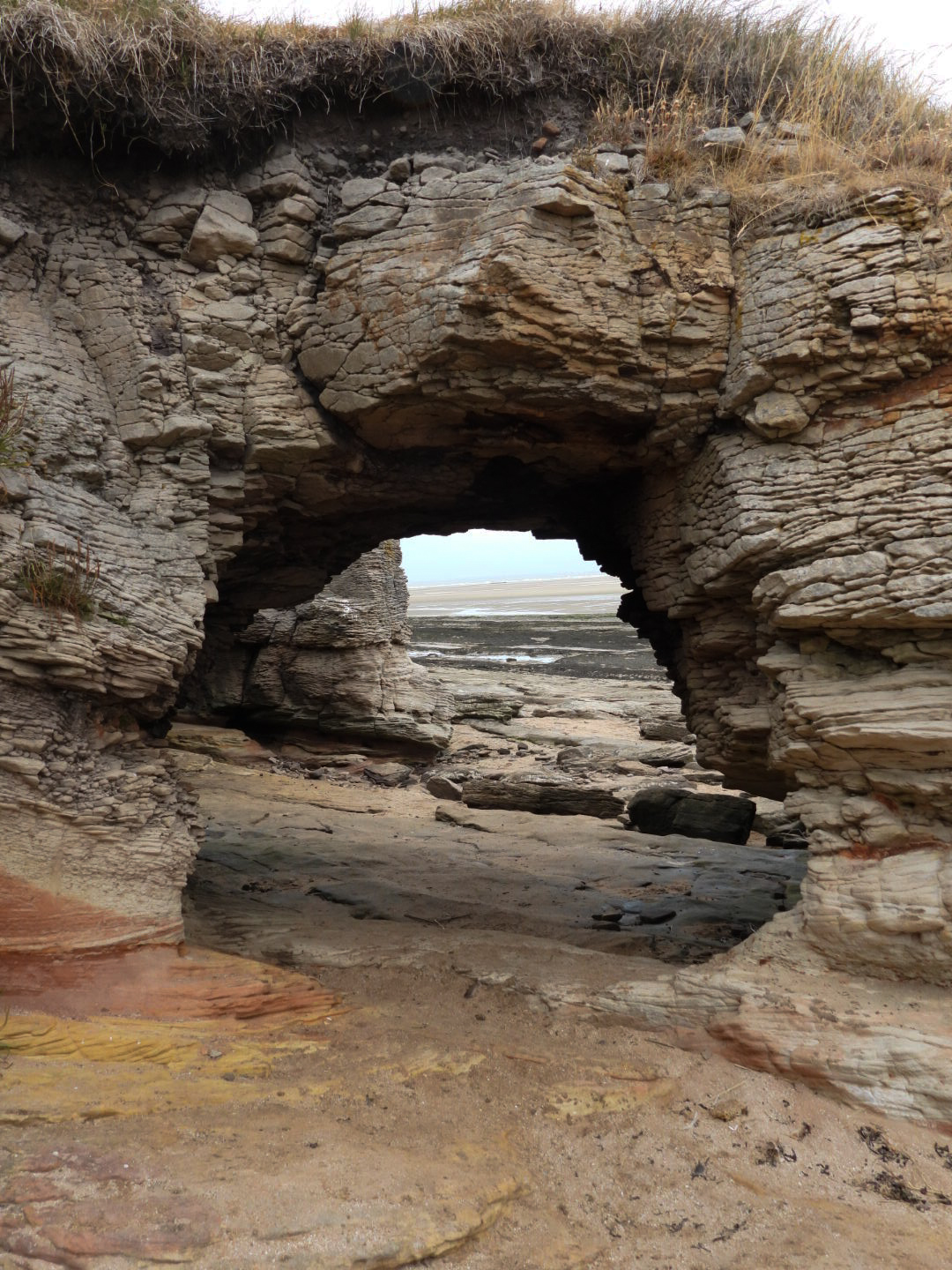
We explored glistening rock pools left behind by the retreating tide, each harbouring its own miniature kingdom of marine life. We admired the sandstone cliffs, their hypnotic striations recording millions of years of geological history.
Among the island’s flora, we found coastal specialists such as Sea Campion and Sea Lavender, alongside the faded remnants of Thrift, their once-vibrant flowers scorched by the recent spell of hot weather.
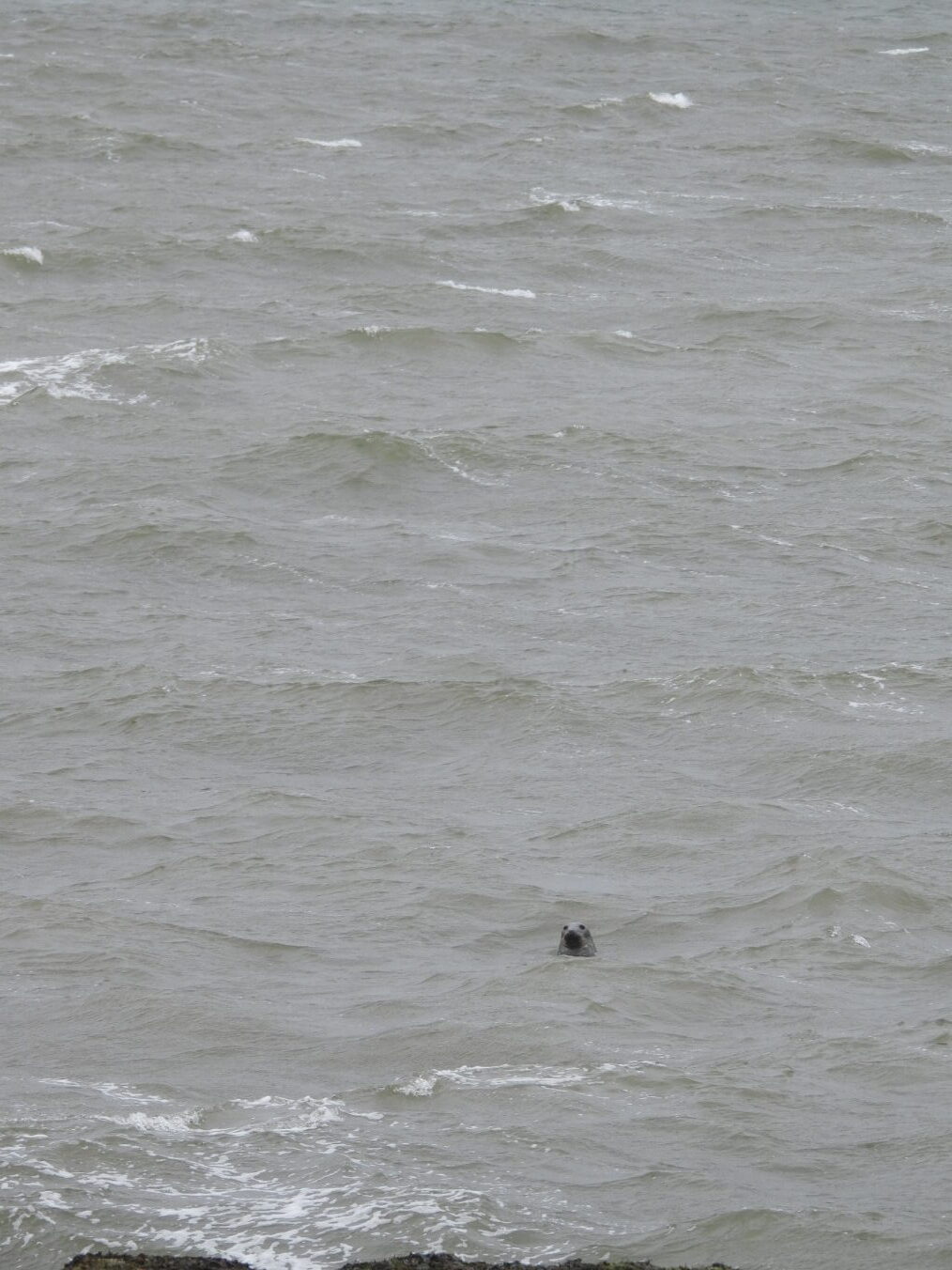
One of the highlights of the day was discovering a large colony of Grey Seals basking on a sandbank. Later, as we stood on the far edge of the island with the wind whipping around us and the waves crashing below, a curious seal appeared offshore. It repeatedly bobbed its head above the water, as though it was playing hide-and-seek with us, before disappearing beneath the waves once more.
July’s Highlights
Site of the month – Kindling farm
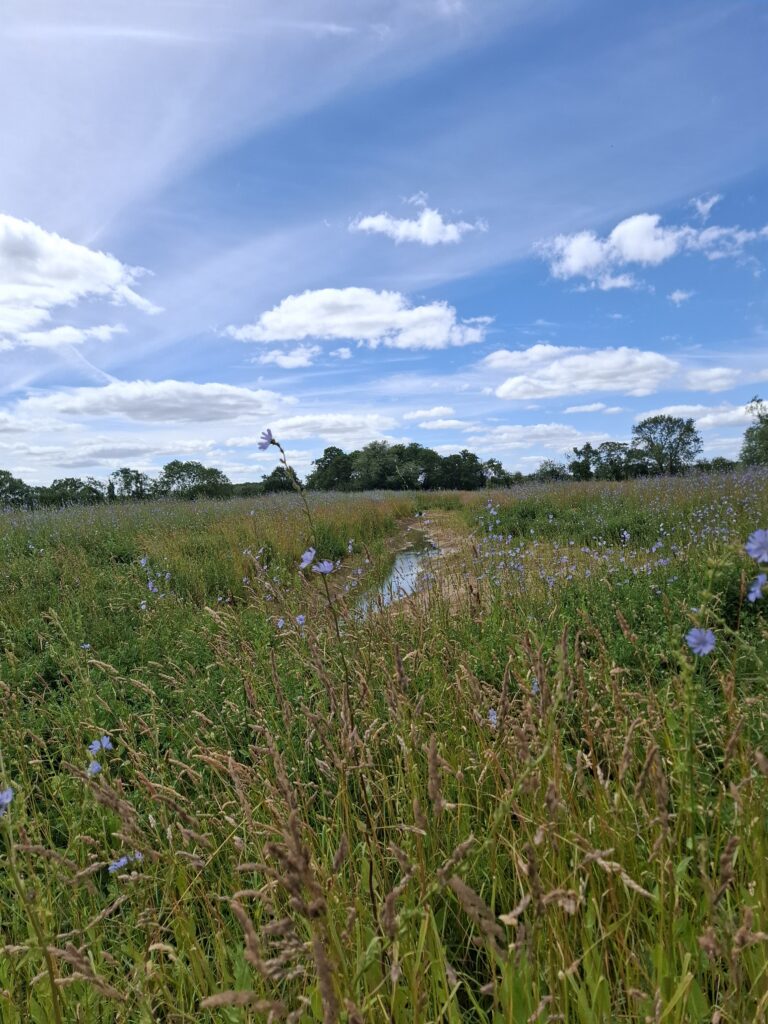
Kindling Farm is situated on Netherley Road. What makes this site truly special is the refreshing outlook of the team and the guiding principles they uphold in managing the farm.
The organisation is deeply rooted in community, with its cofounders Chris and Helen passionately advocating for organic farming.
I have been fortunate to join the biodiversity working team at Kindling, and every visit leaves me feeling uplifted after spending time in such a nurturing environment. As an environmental science student, I am particularly interested in organic farming because of its benefits not only for humans but also for the natural world.
It’s a breath of fresh air to visit a place filled with uplifting views and people dedicated to making real change. Welcoming wildlife of all kinds, setting aside areas for nature to flourish, encouraging birds by installing owl boxes, creating scrapes for wading birds and water voles. Monitoring butterflies through transects, conducting monthly moth trapping, and hosting ongoing events to celebrate the thriving wild corners of the site.
Kinding sets a precedent for farming practices. I believe we should all be advocating for our food industries to invest more in independent, community-driven agricultural methods. I highly recommend visiting Kindling, taking part in one of their events or getting involved by volunteering.
The Kindling Trust – Visit Kindling’s website for detailed information and an up-to-date calendar of events.
Thanks to the team for always making me feel so welcome, and all the cake.
Species of the month –
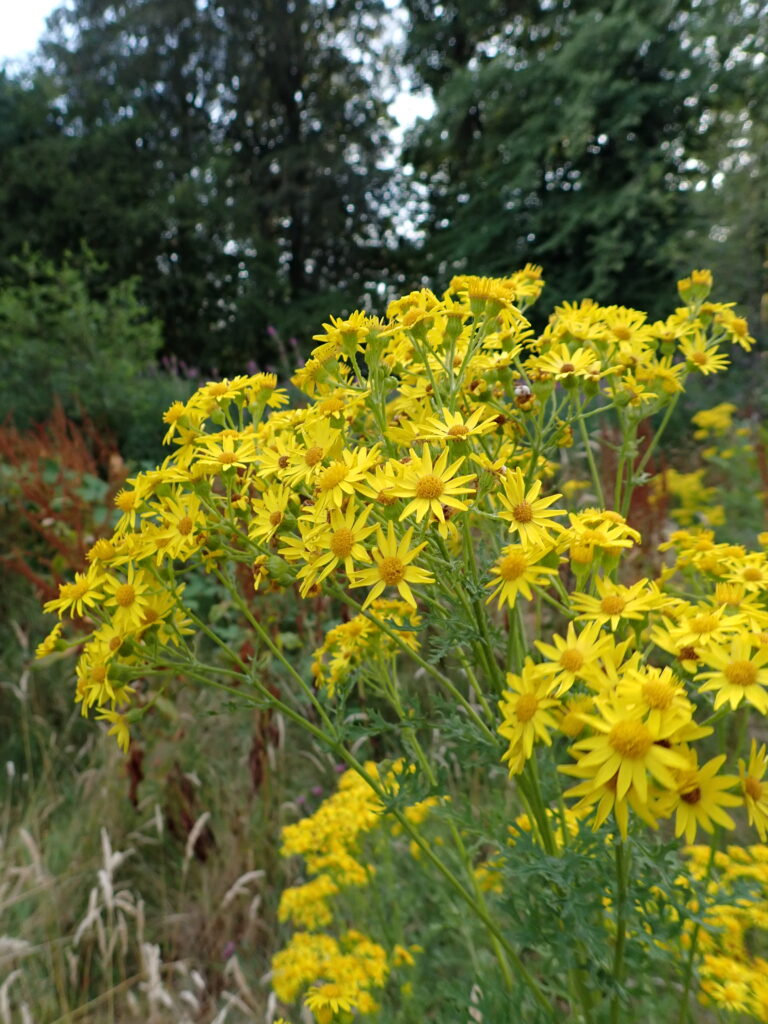
Ragwort (Jacobaea vulgaris)
This familiar yet frequently misunderstood member of the Asteraceae family highlights the importance of allowing our native plants to thrive.
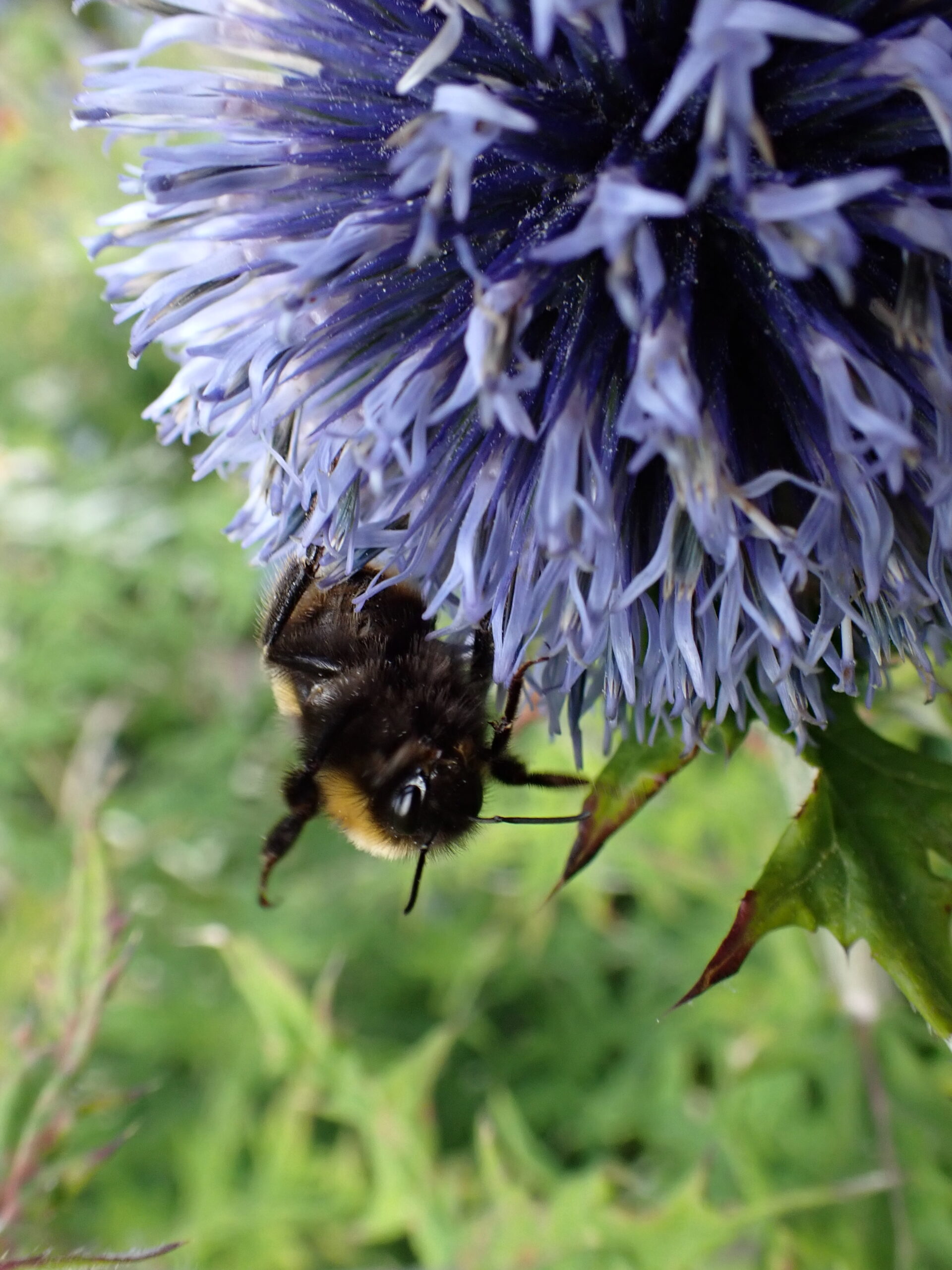
This year, we grew Ragwort in our garden, and it quickly became a hub of activity for invertebrates, from busy bees to graceful butterflies.
It is also well known as the primary food plant for Cinnabar moth (Tyria jacobaeae) caterpillars, supporting one of our most recognisable and striking moth species.
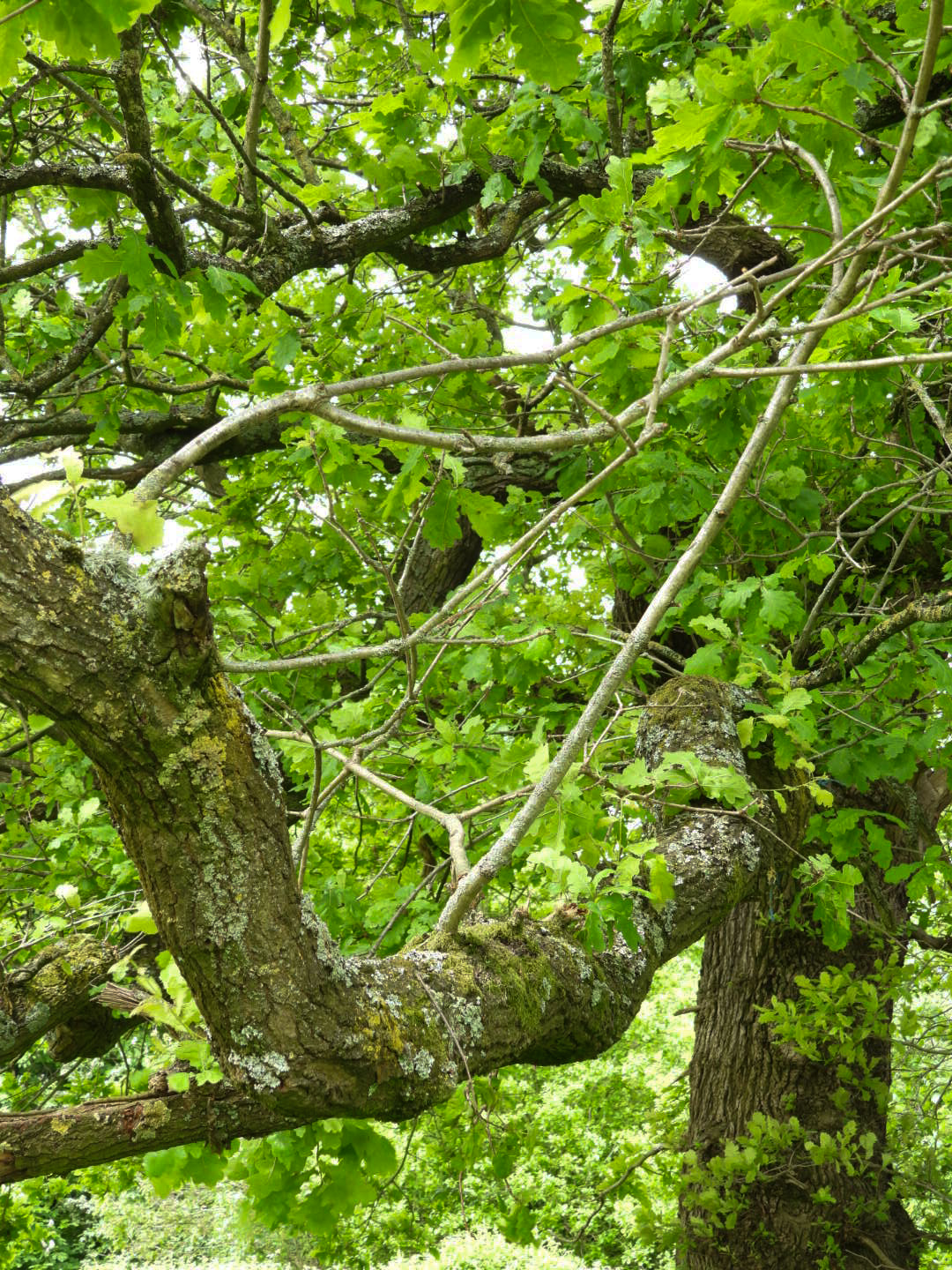
The English Oak (Quercus robur)
The English Oak supports a remarkable diversity of life, with its twisted bark, cavities, and lichen-covered branches providing shelter for countless species. Some estimates suggest that oaks can be associated with over 2,300 species, making them one of our most ecologically important native trees.
The oak is my personal favourite; to me, it represents natural continuity. Under the right conditions, these incredible trees can live for over a thousand years, standing as witnesses to centuries of change.
This resilient species thrives across many of our ancient woodlands, and during the warmer months its canopy becomes a hub of activity, supporting the countless organisms that depend on it.
This Month’s Book Recommendation:
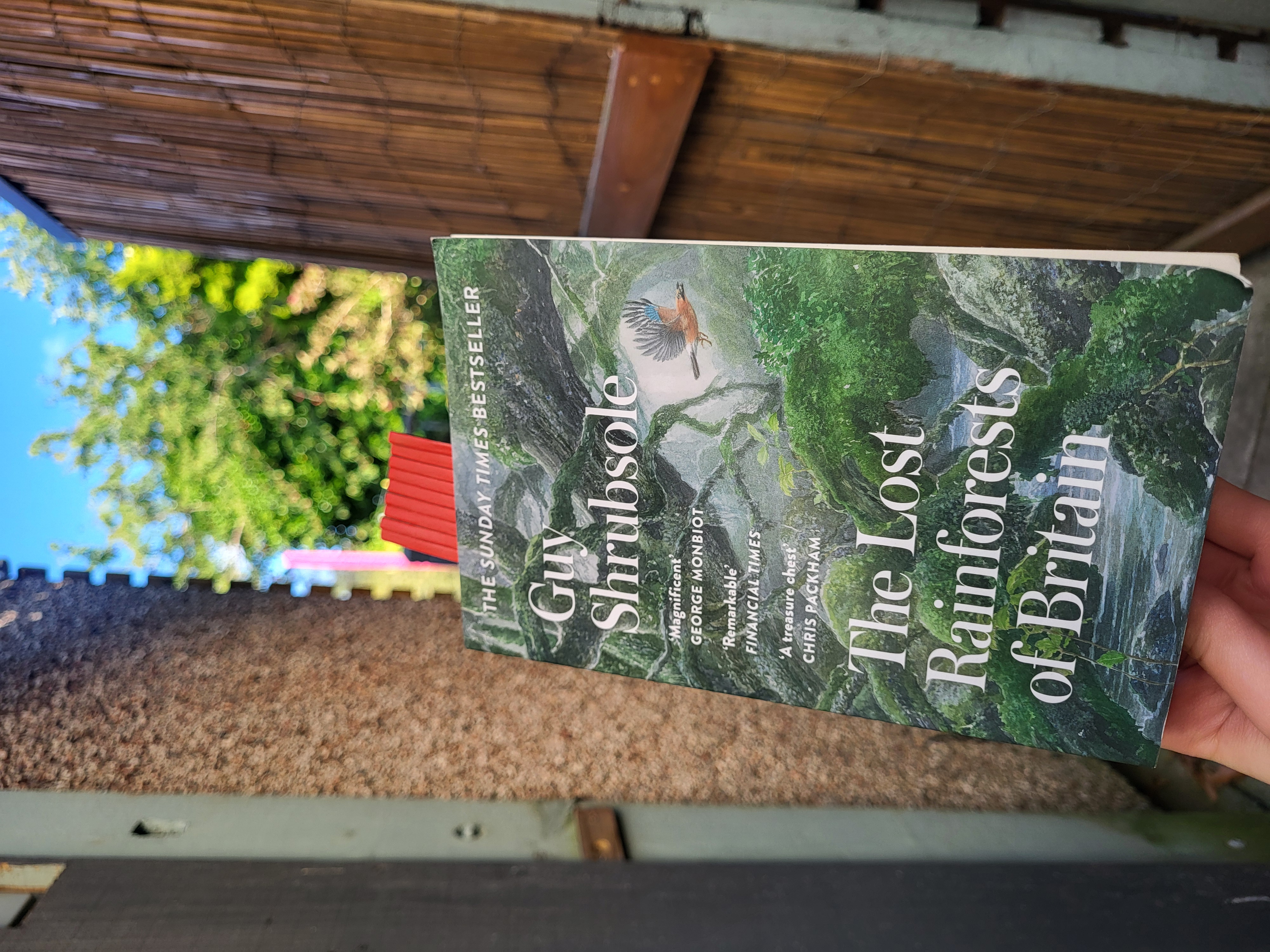
The Lost Rainforests of Britain – Guy Shrubsole
This informative book reveals the secrets of one of Britain’s rarest habitats: temperate rainforests.
From Scotland’s west coast to Dartmoor, our country was once home to these globally rare ecosystems, which now cover less than 1% of the UK.
Guy Shrubsole explores the history of these forgotten landscapes and how we can protect and restore the remaining fragments of this natural wonder.
–
July reminded me why I spend so much of my free time outdoors. From learning alongside experienced botanists, to sharing wildlife recording with others, to simply standing on the edge of Hilbre watching a curious seal surface through the waves, every experience reinforced how much there is still to learn. As summer continues, I’m looking forward to seeing where the next path leads.
Thank you for reading my July blog post. I hope you found it both enjoyable and informative.
Leave a Reply