
An honest introduction
I began studying nature in a formal sense about four years ago, but I’ve felt the pull my whole life.
As a child, I have strong memories: pond dipping at Halewood Triangle, bat walks and orienteering, picnics with my mum at Speke Hall looking at insects and wildflowers, walking in Reynolds Park, falling in love with plants in the secret herb garden. Nature has always been my safe place. And funnily enough, I came full circle and returned to these places as an adult.
As a teenager, I developed a deep love for science but often found myself falling off path and trying to fit in – as many developing young adults do.
A spark began to reignite when I was twenty. I became totally obsessed with fungi, spending copious amounts of time outside, on the floor (as many of us naturalists do), finding different species and learning about them.
Then at twenty-two, after going through trials, grief, and being in the wrong places, I had a severe mental health crisis. Following that, I found myself spending hours and hours outdoors, becoming totally immersed, finding nature again as my solace. The only thing that truly allowed me to reach a state of peace.
By twenty-three, I signed up for my Environmental Science degree. Then it snowballed. I started volunteering at Speke Hall, which led me to meet the most good-hearted, like-minded people – and I began to truly heal. I got involved with the Halewood Triangle volunteers and Merseyside Biobank. Then I started my own volunteer group in the area I grew up.
A small army of people came to the first event to help clear up the green spaces in our area. We still meet every two weeks to keep these spaces in Netherley tidy.
The people who have been part of my journey over the last couple of years know who they are – I hope you do, as you read this – and you’ll never truly know how much your support and friendship means to me.
Nature healed me. Because of this, I swore my life to studying it, helping to raise awareness of its importance in any way I can. Even now, writing this, I find myself overwhelmed with gratitude for the natural world and all its wonders.
I know this is raw – maybe a little unorthodox for an introduction to a nature blog. But that’s just who I am.
This blog is my way of documenting the adventures, the special species, the people, and the places. I promise the rest won’t be so deep. Or maybe it will, actually – knowing me. But I know many of you reading this will feel the same pull, for very similar reasons. I believe nature is our greatest healer and our home.
I don’t want to blind people with science either. I want to be a communicator to all walks of life that want to understand the wildlife on our doorsteps a little more.
Now for the fun stuff!
To start, I want to discuss the vibrant season when everything begins to bloom – spring. We’re now at the point where spring is giving way to summer, but I’ve been planning to launch this blog since April. There are still a few topics from spring that I’m eager to explore and share.
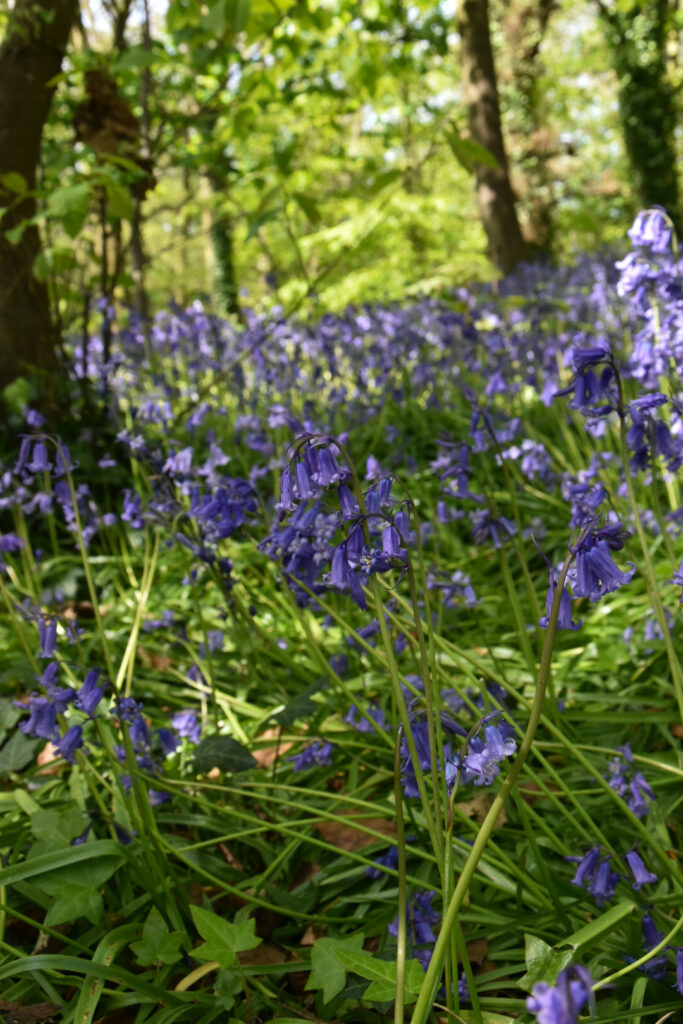
This year, from April through May, a remarkable woodland wildflower created stunning carpets across many woodlands in Merseyside. The English Bluebell (Hyacinthoides non-scripta) was especially spectacular. One memorable location showcasing this natural wonder is Speke Hall, where the Clough woodland was completely blanketed in these enchanting blue flowers, forming a vast ocean of color.
Our native English bluebells are an ancient woodland indicator species, as it takes hundreds of years for them to spread and establish.
Native bluebell identification features include flowers that typically droop to one side of the stem, creamy-coloured pollen, and a delightful floral fragrance that fills woodlands on warm spring days. They also appear much more delicate and dainty compared to the invasive Spanish variety.
Butterfly transects
This year, I have been taking part in butterfly transects for the Butterfly Conservation Trust at Speke hall and Kindling farm.
Butterfly transects are designated walking routes that collect data to better understand which species are thriving or declining, as well as their overall abundance throughout the season.
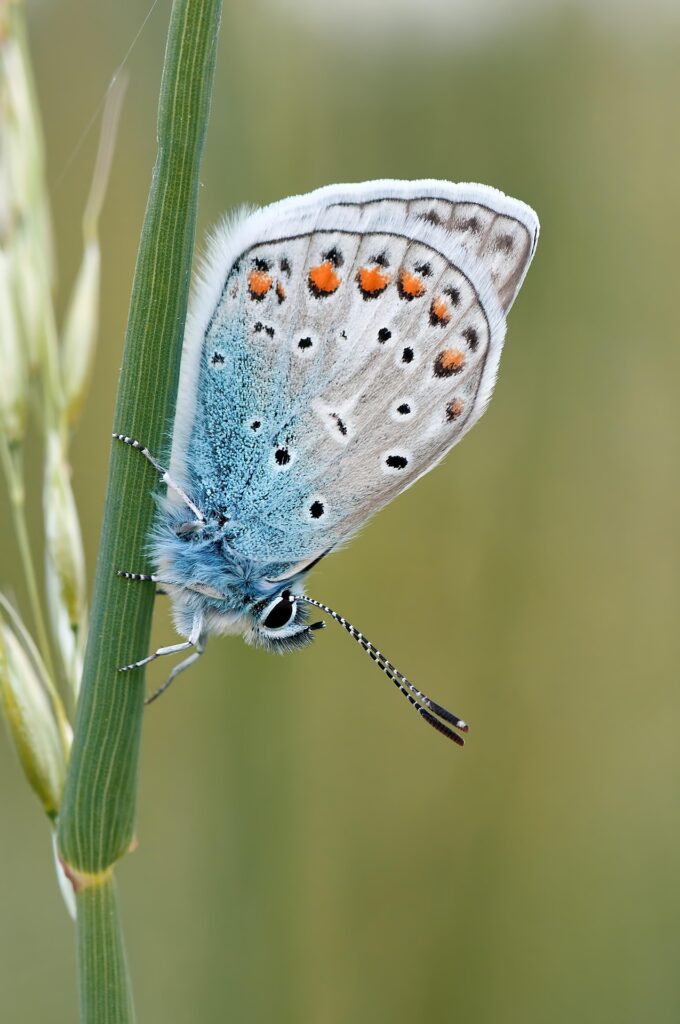
My favorite butterfly so far is the Common Blue (Polyommatus icarus). Though small, they are beautifully intricate and depend on Birds-foot trefoil as their host plant.
I have enjoyed the transects so far, they have given me a great opportunity to explore both sites through the season, and learn more about the different butterfly species we have in the UK.
If you’re interested in butterfly monitoring, the BCT website offers lots of resources. Plus, the Big Butterfly Count is happening next month.
Home page | Butterfly Conservationhttps://butterfly-conservation.org/
June’s highlights
Site of the month – Speke Hall, National Trust estate
Speke Hall has played a significant role in my growth over the past few years. Being a ranger volunteer has given me invaluable experience and introduced me to incredibly supportive people. I cannot mention Speke without paying tribute to the amazing ranger, Cath Linden. Cath tirelessly cares for every aspect of nature at Speke, supports the volunteers wholeheartedly, and is an outstanding naturalist. Thank you, Cath, for your unwavering support and encouragement.
An ode to Speke Hall
Walking around this place fills me with peace.
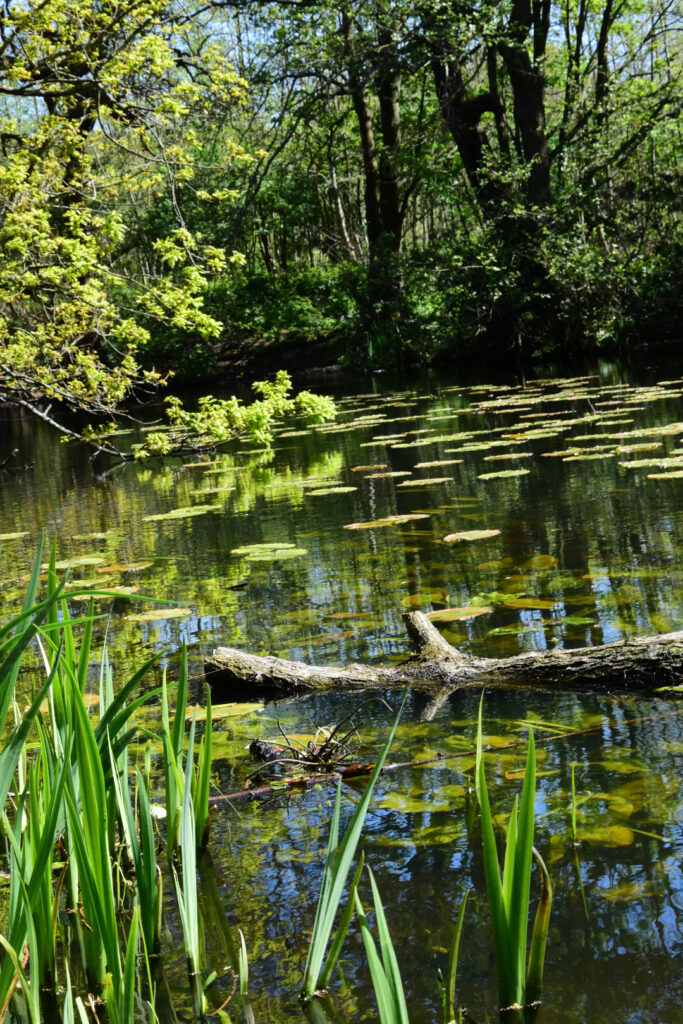
Speke is a haven for nature, surrounded by the bustle of a busy city. Ancient meadows hum with insects, globally rare lowland heath survives amongst the grassland, and the historic pond beside which I write has reflected centuries of change.
Today, a pair of coots drifted across the water with their juveniles in tow. Two balanced awkwardly on a fallen log, stopping occasionally to groom.
It’s moments like these that make me pause.
The landscape here holds the magic of times long past. The pond was visited by Tudors , and nearby Stockton’s Wood still stands much as it has for centuries, continuing to shelter tawny owls amongst its old oaks.
What strikes me most about Speke is how history and nature are woven together. Ancient woodland, historic parkland, meadows and heathland all tell part of the story.
Places like this matter. Not only because of the wildlife they support, but because they connect us to the people, landscapes and species that came before us.
And as I sit beside the pond today, watching the coots and listening to the sounds of summer, I hope Speke continues telling its story for hundreds of years more.
Species highlights –
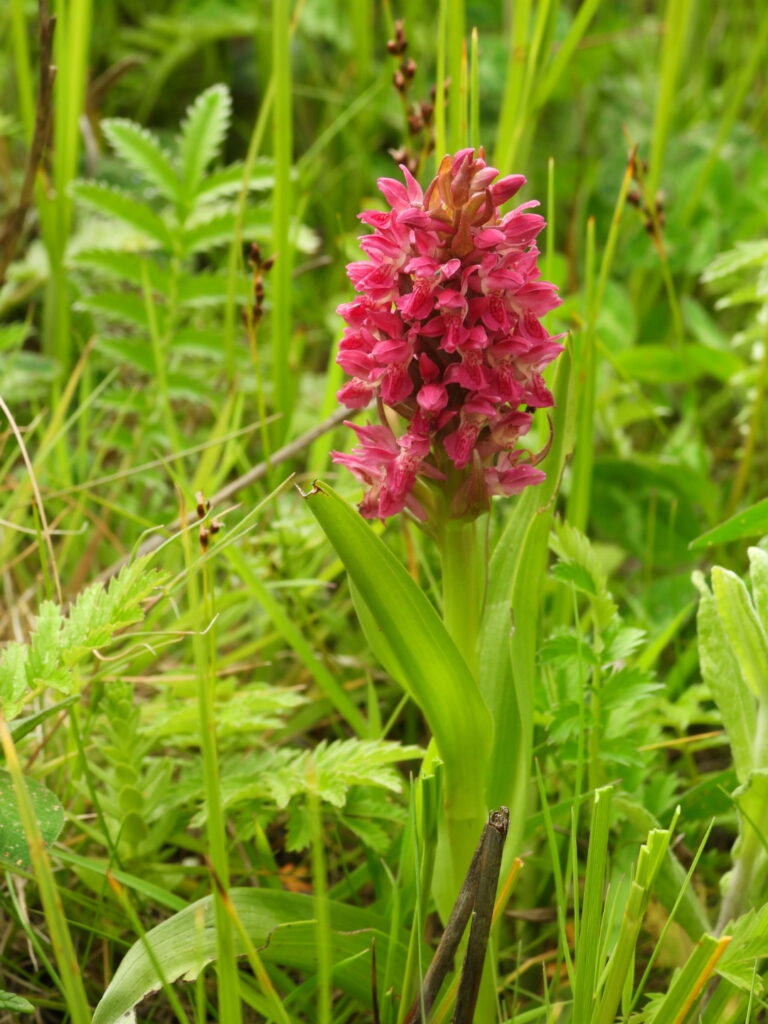
Early marsh orchid (Dactylorhiza incarnata)
I discovered these for the first time while visiting the Southport end of the Sefton Coast!
Orchids are really magical, and a lot of people aren’t even aware that we have so many wild species in the UK due to habitat degradation, mainly from urbanisation.
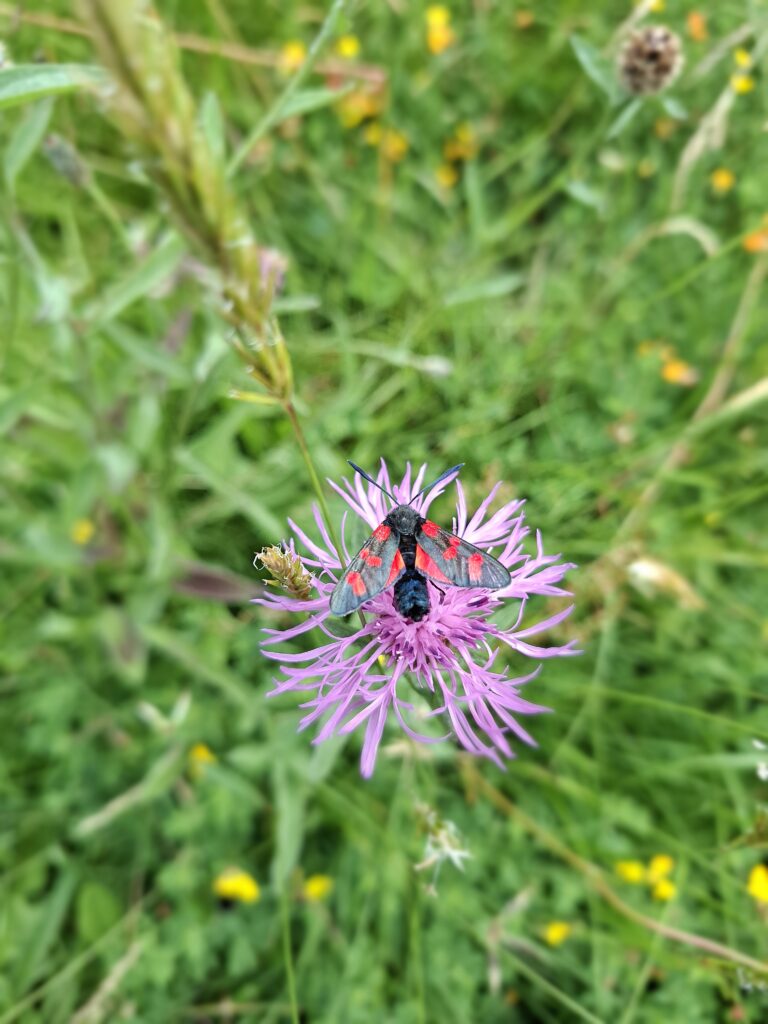
Six-spot burnet moth (Zygaena filipendulae)
Lots of these day flying moths flying around the Speke Hall meadows at the moment. I spotted loads whilst doing a butterfly transect!
See, moths aren’t just brown, grey and boring ..
Thank you for reading.
I hope you enjoyed this brief glimpse into my interests, recent projects, and adventures. I look forward to sharing updates with you each month.
Please don’t hesitate to reach out if you’d like more information on any of the topics covered. My contact details are available on the author’s page.